
How Myopia Management Helps Kids Get Ready for the New School Year
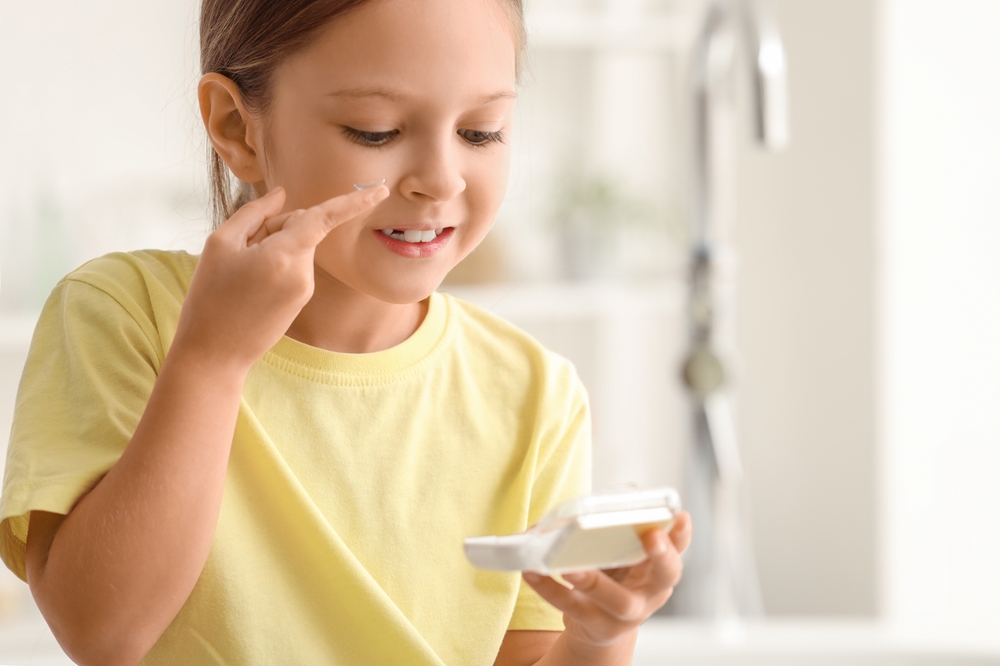
A new school year brings new teachers, assignments, sports, and daily routines. For children with myopia, also called nearsightedness, blurry distance vision can make it harder to see the board, follow classroom demonstrations, recognize faces across the room, or participate confidently in activities.
Updating a child’s glasses can improve clarity, but standard vision correction does not address how quickly myopia may progress. Myopia management is designed to provide clear vision while helping slow the condition’s progression as the eyes continue to grow. Beginning care before school starts gives families time to complete an evaluation, discuss options, and help their child adjust to a new routine.
Signs Your Child May Be Struggling With Myopia
Children do not always realize their distance vision has changed. They may assume everyone sees the same way or adapt by moving closer to what they need to view. Parents should watch for signs such as:
- Squinting when looking across the classroom or watching television
- Sitting unusually close to screens or holding devices near the face
- Complaining of headaches or tired eyes after school
- Having trouble recognizing people or objects at a distance
- Avoiding sports or activities that depend on clear distance vision
A comprehensive pediatric eye exam can determine whether these behaviors are connected to myopia or another vision concern. The exam also provides the measurements needed to monitor changes over time and recommend an appropriate management plan.
Myopia Management Options for Children
Myopia management is personalized according to a child’s age, prescription, eye health, rate of progression, lifestyle, and ability to follow care instructions. At Parkway Vision, available options may include MiSight 1 day contact lenses, orthokeratology, low-dose atropine eye drops, and soft multifocal contact lenses.
MiSight daily disposable lenses correct vision during the day while using a specialized optical design to help slow myopia progression. Orthokeratology, also called Ortho-K, uses customized lenses worn overnight to temporarily reshape the cornea, allowing many children to see clearly during the day without glasses or contact lenses. Low-dose atropine is typically used at bedtime to help slow eye growth, while soft multifocal contact lenses may offer another daytime option for eligible children.
Regular follow-up visits are an important part of every approach. These appointments allow us to evaluate vision, check eye health, review lens wear or medication use, and adjust the plan as a child grows.
Building Healthy Vision Habits Before School Starts
Myopia management works alongside healthy daily habits. Encourage children to spend time outdoors, take regular breaks during prolonged reading or screen use, use comfortable lighting, and keep books and digital devices at a reasonable working distance. These routines can reduce visual strain and support overall eye comfort throughout the school day.
Scheduling an evaluation before classes begin also reduces the chance of discovering a vision problem after grades, focus, or participation have already been affected. With clear vision and a plan for managing myopia progression, children can begin the school year prepared to learn, play, and participate with greater confidence.
Give your child a clearer start to the school year and schedule a myopia management evaluation with Parkway Vision in Houston, Texas, by calling (281) 558-1832.
Quick Links
Helpful Articles
article_category: products
article_category: psychiatry
article_category: faqs
article_category: cats
article_category: general
article_category: services
article_category: technology
article_category: dogs
article_category: restorative
article_category: vision therapy
article_category: contact lenses
article_category: health
article_category: conditions
article_category: eye surgery co-management
article_category: exotic
article_category: cosmetic
article_category: surgical procedures
article_category: aesthetics
article_category: preventative
article_category: ocular disease management
article_category: eyeglasses
article_category: eye health
article_category: large animal
[]
article_category: psychiatry
article_category: faqs
article_category: cats
article_category: general
article_category: services
article_category: technology
article_category: dogs
article_category: restorative
article_category: vision therapy
article_category: contact lenses
article_category: health
article_category: conditions
article_category: eye surgery co-management
article_category: exotic
article_category: cosmetic
article_category: surgical procedures
article_category: aesthetics
article_category: preventative
article_category: ocular disease management
article_category: eyeglasses
article_category: eye health
article_category: large animal
[]
Flowbite is an open-source library of interactive components built on top of Tailwind CSS including buttons, dropdowns, modals, navbars, and more.
Check out this guide to learn how to get started and start developing websites even faster with components on top of Tailwind CSS.

All Eye Care Services
Find personalized eye care excellence with our comprehensive services. From eye exams to advanced diagnostics, trust us for all your vision needs.

Keep In Touch
For non-urgent questions or to learn more about our services, contact us today!
© 2026 Parkway Vision. All rights Reserved - Accessibility Statement - Privacy Policy - Sitemap
Managed and Designed by 